One in three men over thirty in the UK is currently experiencing a hormonal transition most have never heard of. I was one of them for nearly two years before I found out it had a name.
At the time I was 33. I worked long hours, trained three times a week, had a relationship I cared about and a life that looked fine from the outside. There was no obvious reason I should have been feeling the way I was feeling. But I was.
It wasn't one thing. It was everything slightly turned down. The energy wasn't there in the way it used to be. The motivation I'd always relied on had quietly gone somewhere I couldn't find it. My drive — in the gym, at work, in my relationship — had faded without any single moment I could point to.
The Condition Nobody Told Men About
Andropause is the gradual decline in testosterone that begins in a man's late twenties and accelerates through his thirties and forties. It is, in plain terms, the male equivalent of menopause. Women have an entire infrastructure of awareness, support, and treatment built around their hormonal transition. Men have almost none.
The reasons it's hitting men younger than previous generations are not mysterious. Chronic stress elevates cortisol which directly suppresses testosterone production. Processed food, sedentary work, disrupted sleep, and environmental factors compound the effect. The result is a generation of men in their thirties experiencing hormonal profiles their fathers didn't see until their fifties.
Most men don't find out because GPs rarely screen for it. The symptoms overlap with depression, burnout, and general stress — conditions that are far more likely to be investigated first. By the time a man connects his symptoms to his hormones, he may have spent years attributing them to the wrong cause.
The Signs Most Men Write Off As Something Else
- Waking up tired no matter how many hours you slept
- A motivation that used to be there and quietly isn't anymore
- Feeling flat — not depressed exactly, just not switched on
- Reduced drive and interest in sex without a clear reason
- Brain fog — slower, less sharp than you used to be
- Irritability that comes from nowhere
- Gym sessions that feel harder for no obvious reason
- The creeping feeling you're running on less than you used to
The Natural Route
The first thing I looked into was TRT — testosterone replacement therapy. The private clinics are everywhere now and the marketing is hard to miss. But committing to injections or gels for the rest of my life at 34 felt like a significant decision to make before I'd tried anything else. I wanted to know whether there was a natural way to support what was declining first.

What I found was that three natural ingredients have the most consistent clinical evidence for supporting testosterone and regulating the cortisol-testosterone relationship. Tongkat Ali — a root extract from Southeast Asia shown to support free testosterone and reduce cortisol exposure. Korean Red Ginseng — studied for its effect on energy, blood flow, and drive. Himalayan Shilajit — a mineral-rich resin containing over 85 trace minerals and fulvic acid that supports cellular energy production and hormonal balance. None of these are new discoveries. The difference is that most men never get them consistently in meaningful doses.

Partner Content
I came across OJI 2.0 while researching UK supplements that combined all three of these ingredients in a single daily format. It's a soft chew rather than a capsule — which matters more than it sounds. I've abandoned more supplement routines than I can count because the format didn't fit into a normal morning. These did. They taste fine. I didn't forget them.
I took them consistently for eight weeks. The first thing I noticed was energy — not a spike, just a steadier baseline. The flat feeling started lifting around week three. By week six my drive had returned in a way I hadn't realised I'd been missing. It wasn't a transformation. It was a restoration.
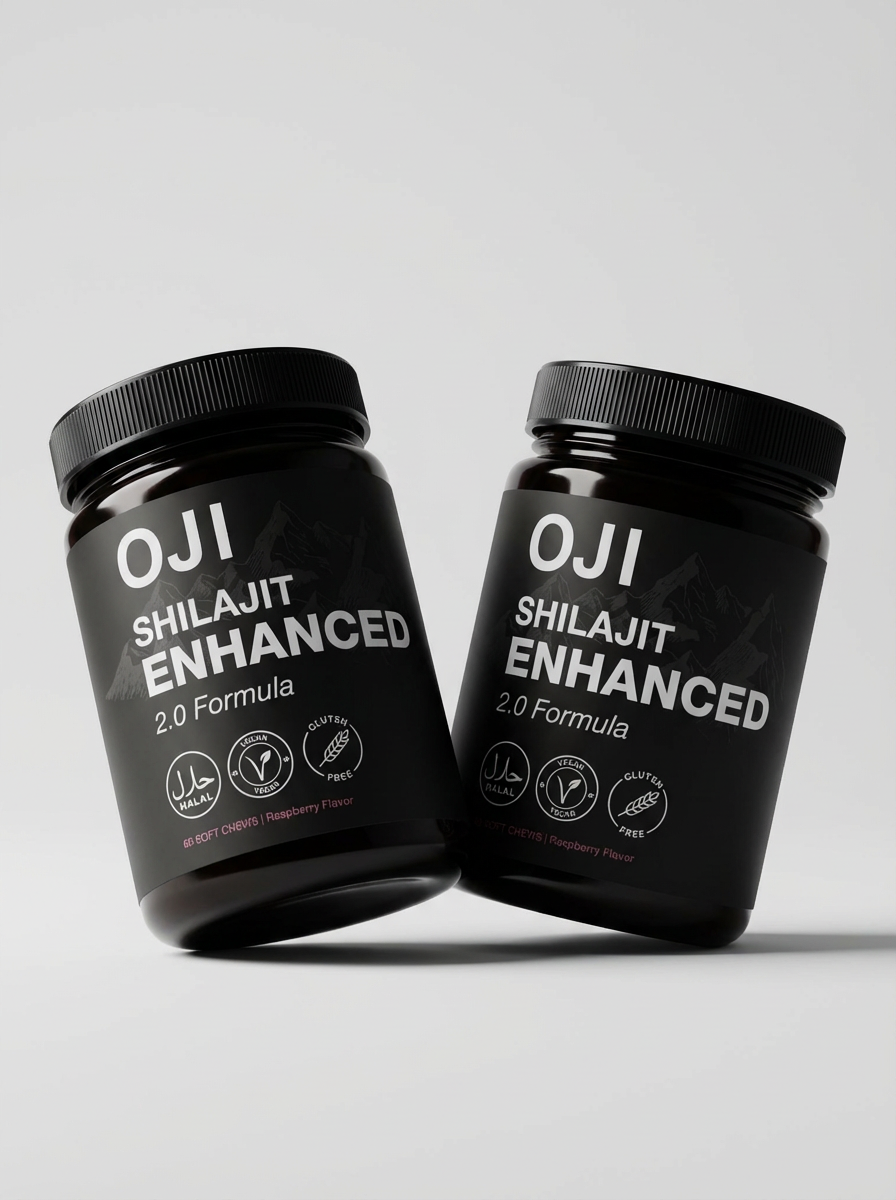
OJI 2.0 is formulated specifically for men experiencing andropause symptoms. More information and UK availability at myoji.co.uk
What Other Men Are Saying
Over 8,800 men in the UK have already started the protocol
The Bottom Line
I'm not suggesting every man over thirty has andropause or needs to do anything about it. But most men experiencing these symptoms deserve to know they have a name — and that it isn't simply the cost of getting older. That reframe alone changed how I approached it.
OJI 2.0 is available directly from their UK site. They offer a 60-day money back guarantee. If any of this piece has felt familiar — and statistically something in it probably has — it's worth trying before you write it off as stress or age.